

Blog list
Pro-Optix Optometry & Dry Eye Center Blog
Learn more about optometrist care in our blog!
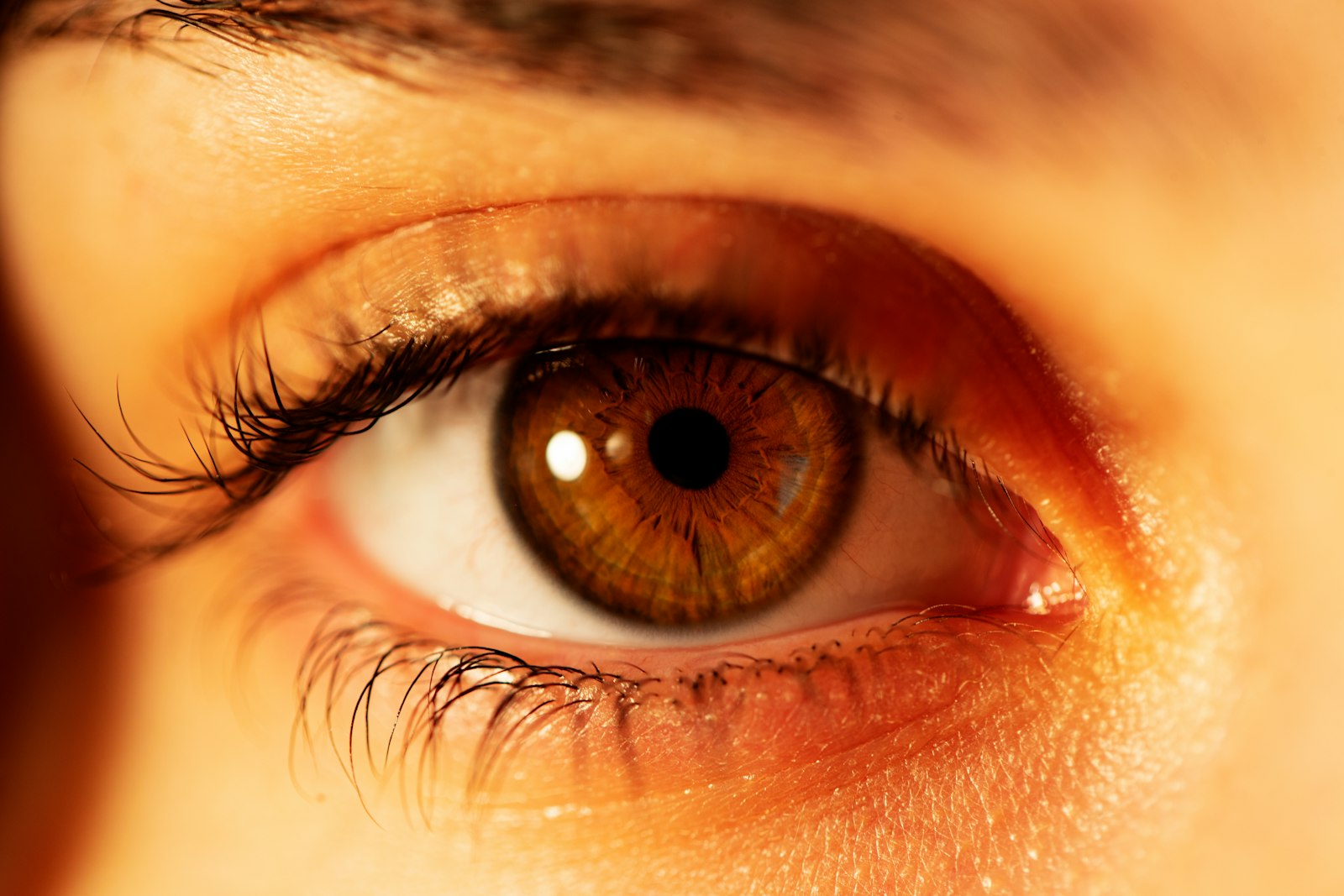
We blink our eyes several times every minute of the day, but why do we need to? Count the number of times you blink in a minute (when you do this, don’t try blinking more or less frequently than you normally would). The typical number of blinks per minute for an adult is between ten and twenty,...
Anyone who enjoys a nice tan should be aware of the risks of tanning booths. Those risks include ones to eye health. A group of physicians, dermatologists, surgeons, and even eye doctors went before Congress to describe the negative health effects of tanning beds, and the World Health Organizatio...

Headaches can have a number of causes you wouldn’t expect, like an uncorrected vision problem. If you live with frequent headaches, it would be well worth your time to schedule an eye exam, if only to rule out a vision problem as the cause. Not all headaches are tied to vision and not all visio...

March is Workplace Eye Wellness Month, which makes it a great time to discuss eye safety on the job. That will mean very different things depending on your line of work. A manual labor job can present a lot of direct dangers to eye safety, while an office-type job is more likely to cause a lot of...
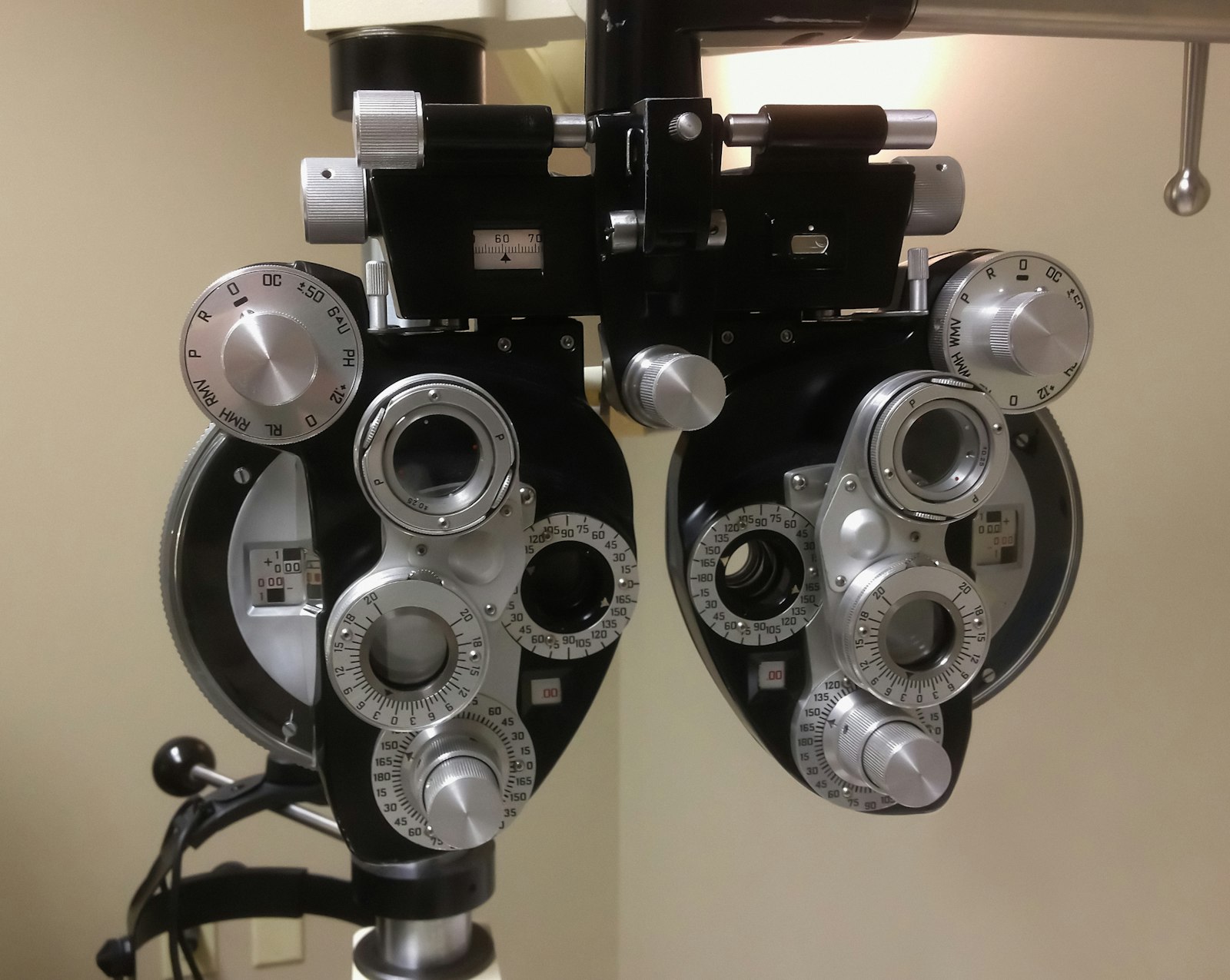
Approximately 1 in 5 adults in the United States has an undiagnosed eye condition. This startling statistic highlights the importance of regular eye exams for maintaining optimal vision health. We want to demystify the eye exam for anyone who has never had one and explain why they are so importan...

Glasses and contact lenses are small things that make a huge difference. If you wear glasses or contacts, you probably remember what it was like the first time you put them on and could suddenly see individual blades of grass and leaves on trees. The ability to see clearly is critical for so many...
Contrary to popular belief, color blindness does not mean seeing in black and white. Usually. The vast majority of colorblind people can still see some colors. Let’s take a look at the three basic categories of color blindness and how they can impact a person’s daily life. Red-Green Color Bli...
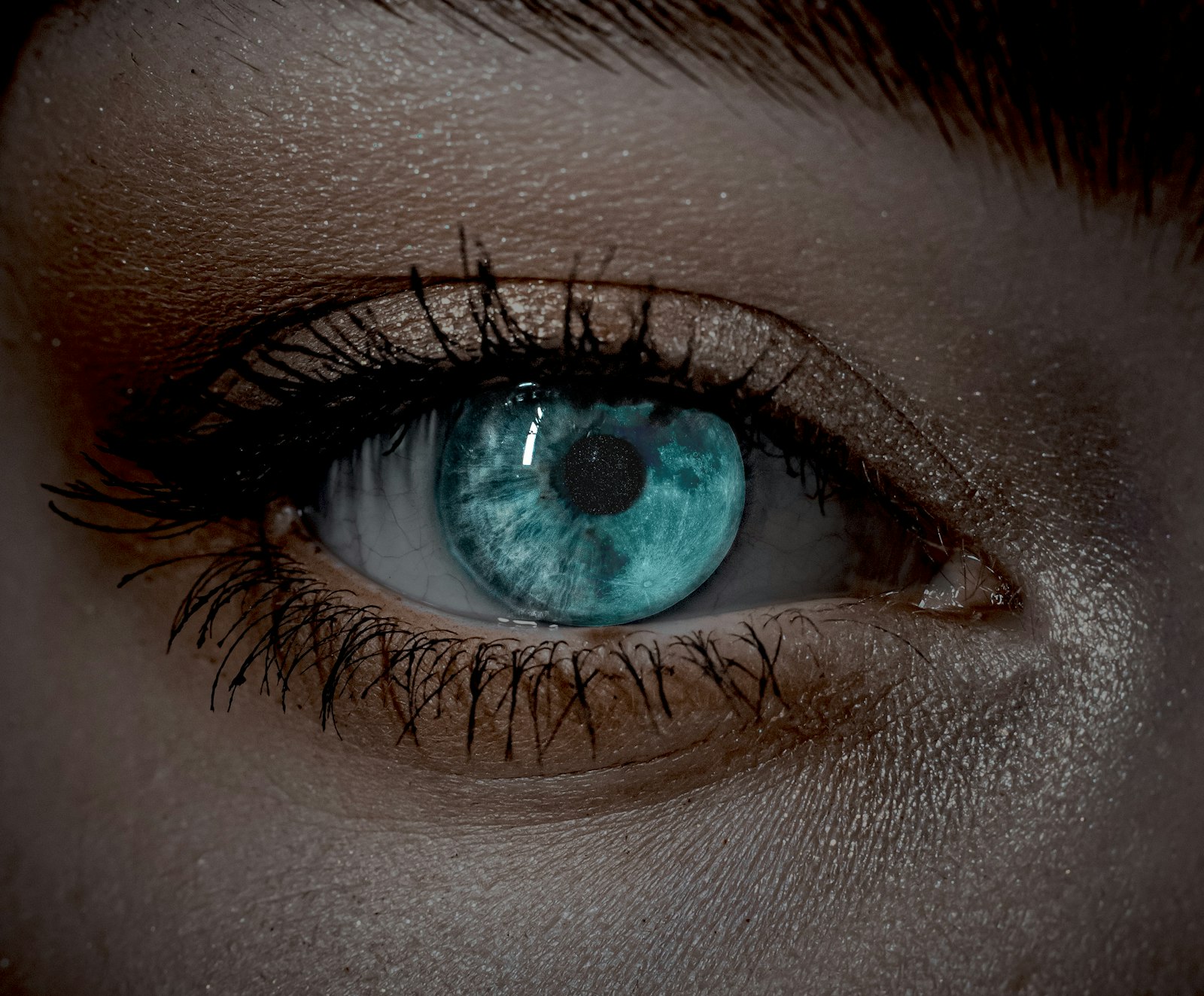
Most of us notice a person’s eye color almost immediately when we meet them. A striking pair of eyes can make a deep impression, and what could be more striking than a pair of eyes that don’t match? In scientific terms, that’s heterochromia, a phenomenon fairly common in cats and dogs but m...
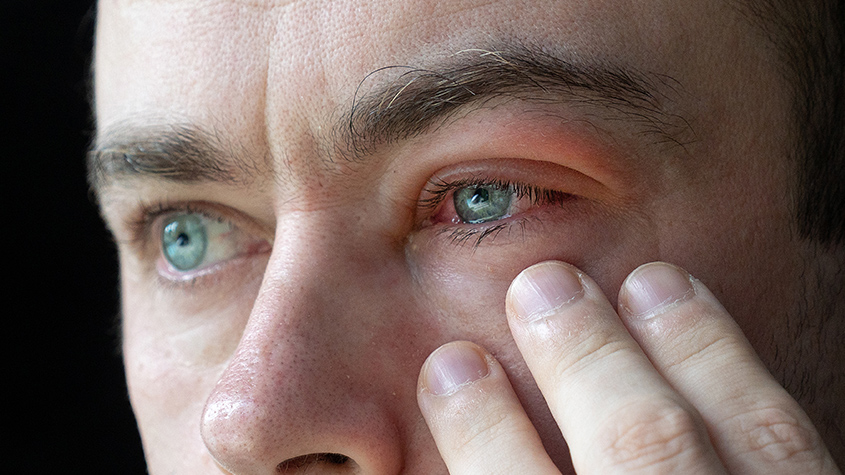
Most people are familiar with rosacea, a common skin condition that causes the face to become flushed or take on a reddish tone. It’s also likely to cause an uneven, bumpy skin texture that looks like acne or a rash. Once rosacea develops, it is a chronic condition that can be managed, but not cured.

Myopia, commonly known as nearsightedness, makes it difficult to clearly see objects that are far away. When myopia is severe, it’s called high myopia. Myopia occurs when the eye is more elongated than normal, or the shape of the cornea is too steep. Even though myopia may not seem serious, it’s been linked to several

All Eye
Care Services

Keep
In Touch

Operating Hours
- Monday 10:00 AM – 6:00 PM
- Tuesday 10:00 AM – 6:00 PM
- Wednesday 10:00 AM – 6:00 PM
- Thursday 10:00 AM – 6:00 PM
- Friday 10:00 AM – 5:00 PM
- Saturday 9:00 AM – 3:00 PM
- Sunday Closed
Contact Us
© 2026 Pro-Optix Optometry & Dry Eye Center. All rights Reserved. Accessibility Statement - Privacy Policy - Sitemap
Powered by:
