

Seeing Red? It May Be Ocular Rosacea
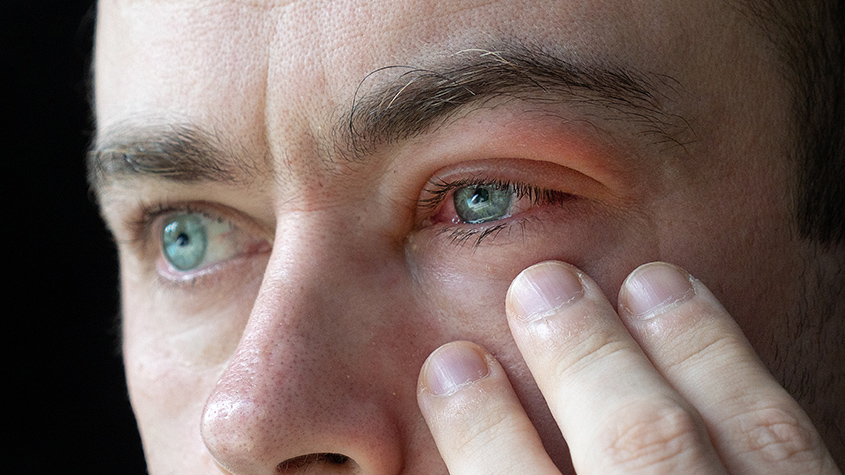
Most people are familiar with rosacea, a common skin condition that causes the face to become flushed or take on a reddish tone. It’s also likely to cause an uneven, bumpy skin texture that looks like acne or a rash. Once rosacea develops, it is a chronic condition that can be managed, but not cured. While the actual cause of rosacea hasn’t been determined, common theories include genetic traits within families, environmental factors, swelling of the blood vessels of the face caused by other conditions, or even the presence of tiny organisms that clog the oil glands of the face. Certain studies have even indicated a possible connection between the h pylori organism that commonly attacks the digestive system and the appearance of rosacea.
No matter what the root causes may be, living with rosacea can be uncomfortable and embarrassing. Not only is the flushed, bumpy skin hard to disguise, but it also tends to sting, burn and even become painful. Some with rosacea have minor symptoms, while others find it makes their daily lives challenging, to say the least. Almost everyone with the condition finds that certain things they do can trigger flare-ups that worsen the condition – foods and activities they need to avoid to keep their rosacea under control.
- Being outside in the heat, sun, wind, or cold
- Doing very active sports, such as running
- Drinking alcohol
- Eating spicy foods
- Drinking hot coffee or tea
- Feeling stressed or upset
Some turn to heavy makeup to hide their rosacea, while others find that almost anything they put on their face makes their skin look and feel even worse. There are medical treatments that can help, such as antibiotics, antihistamines, and certain gels and creams. The results will vary from person to person.
Now, you’re probably thinking that this is all very useful information, but why would we be talking about this skin condition in our blog? What does all of this have to do with your eyes?
When you read Addy’s story, you’ll know…*
“I was diagnosed nine years ago; I was having a problem with my right eye and my face was red. I had been to two ophthalmologists with no relief. My eye was getting worse—red, painful, and ugly. My primary doctor put two and two together and said my eye and face were connected. He sent me to a dermatologist who diagnosed me with rosacea and ocular rosacea. The ocular rosacea has caused me to develop dry eye, which greatly impacts my life. So, I use preservative-free eye drops for my eyes.”
Some patients have only rosacea of the skin, some have only ocular rosacea, and some have both. Ocular rosacea is usually identified with these symptoms:
- red, burning, or watery eyes
- feeling like something is stuck in your eye
- redness and swelling of the eyelids or the base of your eyelashes
- clogged oil glands near your eyelids
- Blurry vision
- Sensitivity to light
- Recurrent chalazions, styes or conjunctivitis (pink eye)
- Dilated small blood vessels in the white of the eye
During a complete vision exam, your optometrist can review your symptoms and diagnose ocular rosacea. If you have any of the above symptoms, don’t wait to see your eye doctor. These painful, life-limiting symptoms can be managed with the help of several traditional treatments:
- Steroid eye drops and ointments to reduce redness and swelling
- Antibiotic pills or ointments to treat eye infections and rosacea of the skin
- Artificial tears to help keep eyes moist, but avoid over-the-counter eye drops that treat bloodshot eyes – they will actually make the symptoms worse
- Eyelid scrubs to keep your eyes clean and free of infection
It’s critical to treat ocular rosacea quickly and manage it carefully, as vision loss can occur due to dry eye disease caused by the premature evaporation of tears. There are also innovative new treatments that are making a huge contribution to the treatment of ocular rosacea. If you’re looking for a Houston eye doctor who offers the latest therapies for ocular rosacea, look no further! At Pro-Optix Eye Care, we’re excited to treat our patients with ocular rosacea with our new IPL Optilight!
You may remember our earlier post featuring the IPL Optilight – or you can review it here. This amazing, non-invasive treatment not only helps patients with dry eye disease, but it is also instrumental in treating patients with ocular rosacea. IPL treatments have been used for years to treat skin conditions such as rosacea, and with the recent FDA approval of Optilight to treat visual issues as well, we have the unique opportunity to treat patients with ocular rosacea in our office. Don’t waste another minute – call Pro-Optix Eye Care at 713-360-7095 today to schedule your vision test and assessment for this groundbreaking new treatment!



Operating Hours
- Monday 10:00 AM – 6:00 PM
- Tuesday 10:00 AM – 6:00 PM
- Wednesday 10:00 AM – 6:00 PM
- Thursday 10:00 AM – 6:00 PM
- Friday 10:00 AM – 5:00 PM
- Saturday 9:00 AM – 3:00 PM
- Sunday Closed
Contact Us
© 2026 Pro-Optix Optometry & Dry Eye Center. All rights Reserved. Accessibility Statement - Privacy Policy - Sitemap
Powered by:
