

OptiLight IPL for Autoimmune Dry Eye in Houston: How It Calms Sjögren’s & Lupus Inflammation
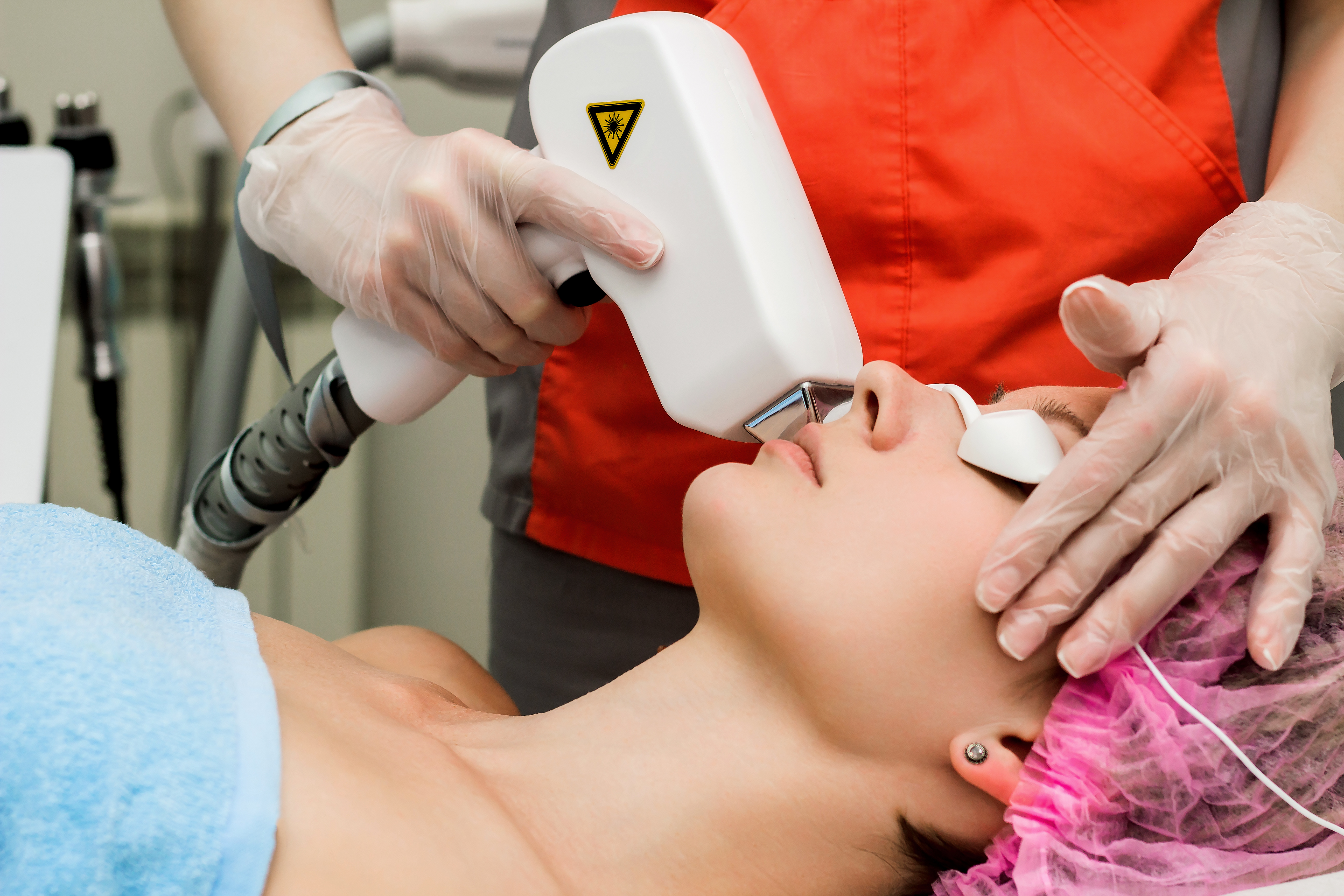
Living with Sjögren’s syndrome or lupus can affect more than your joints, skin, or energy levels. Autoimmune inflammation can also interfere with the tear-producing glands and ocular surface, contributing to persistent dry eye. At Pro-Optix Optometry & Dry Eye Center, we provide advanced dry eye treatment in Houston, including OptiLight IPL, to address inflammation and meibomian gland dysfunction that may contribute to ongoing symptoms.
Why Autoimmune Conditions Can Cause Dry Eye
Sjögren’s syndrome commonly affects the glands responsible for producing tears. Lupus can also be associated with dry eye, including in people who develop secondary Sjögren’s syndrome. When inflammation affects tear production or tear quality, the eyes may become chronically dry and irritated.
Common symptoms of autoimmune dry eye include:
• Burning or stinging
• Gritty or sandy sensations
• Eye redness
• Excessive watering
• Light sensitivity
• Fluctuating or blurry vision
• Discomfort that continues despite frequent artificial tears
Autoimmune dry eye can involve both inadequate tear production and excessive tear evaporation. This is why identifying the specific factors affecting each patient is an important part of treatment.
How OptiLight IPL Addresses Dry Eye Inflammation
OptiLight uses intense pulsed light delivered to the skin around the eyes. For patients with meibomian gland dysfunction, treatment can help reduce inflammation and support healthier function of the oil-producing glands along the eyelids.
These meibomian glands create the oily layer of the tear film that helps prevent tears from evaporating too quickly. When inflammation interferes with their function, tears may become unstable even if the eyes are still producing some moisture.
By addressing inflammation and meibomian gland dysfunction, OptiLight IPL may improve tear-film stability and reduce symptoms such as burning, grittiness, and irritation.
Can OptiLight Treat Sjögren’s or Lupus?
OptiLight does not treat Sjögren’s syndrome or lupus itself. These are systemic autoimmune diseases that require appropriate medical management. Instead, OptiLight can address certain ocular surface and eyelid factors that may be contributing to dry eye.
For someone with Sjögren’s, for example, reduced tear production may occur alongside meibomian gland dysfunction. Treating the evaporative component can help preserve the limited tears the eyes produce. Because autoimmune dry eye can involve several mechanisms, we determine whether IPL is appropriate based on a detailed dry eye evaluation.
A Personalized Approach to Dry Eye in Houston
OptiLight is not the only treatment we may recommend. Depending on the condition of your tear film, meibomian glands, and ocular surface, your personalized dry eye treatment plan may also include low-level light therapy, punctal plugs, amniotic membrane therapy, or other treatments. Our goal is to address the factors contributing to your symptoms rather than relying only on temporary lubrication.
If Sjögren’s syndrome, lupus, or another autoimmune condition is making your eyes persistently dry, irritated, or uncomfortable, schedule a dry eye evaluation with Pro-Optix Optometry & Dry Eye Center to learn whether OptiLight IPL may be appropriate for you. Contact our office in Houston, TX, by calling (713) 360-7095 to book your appointment.



Operating Hours
- Monday 10:00 AM – 6:00 PM
- Tuesday 10:00 AM – 6:00 PM
- Wednesday 10:00 AM – 6:00 PM
- Thursday 10:00 AM – 6:00 PM
- Friday 10:00 AM – 5:00 PM
- Saturday 9:00 AM – 3:00 PM
- Sunday Closed
Contact Us
© 2026 Pro-Optix Optometry & Dry Eye Center. All rights Reserved. Accessibility Statement - Privacy Policy - Sitemap
Powered by:
