

IPL vs. LipiFlow: 5 Key Differences
Dry eyes are often much more than a temporary inconvenience. They can affect your everyday quality of life and leave you searching for relief. If you’ve thought about getting help for your dry eyes, you’ve likely come across some home remedies and 2 specialized treatments: IPL and LipiFlow. These in-office treatments both help treat dry eye but in different ways.
There are 5 key differences between IPL and LipiFlow:
- The physical approach
- The treatment focus
- The treatment duration
- The additional benefits
- The side effects
What Is Dry Eye?
Dry eye is a common problem. It develops when there’s an imbalance in your tear film, and your eyes can’t produce low-quality tears or simply can’t produce enough tears. This leaves your eyes exposed and prone to irritation and damage.
What Are Meibomian Glands?
These tiny glands in your eyelids are responsible for producing oils in your tears. All tears are comprised of three layers: the mucus layer, the watery layer, and the oily layer. The oils from your meibomian glands help prevent tears from evaporating too quickly.
When meibomian glands are clogged or dysfunctional, they can’t sufficiently produce the oils necessary for quality tears.
1. The Physical Approach
What Is IPL?
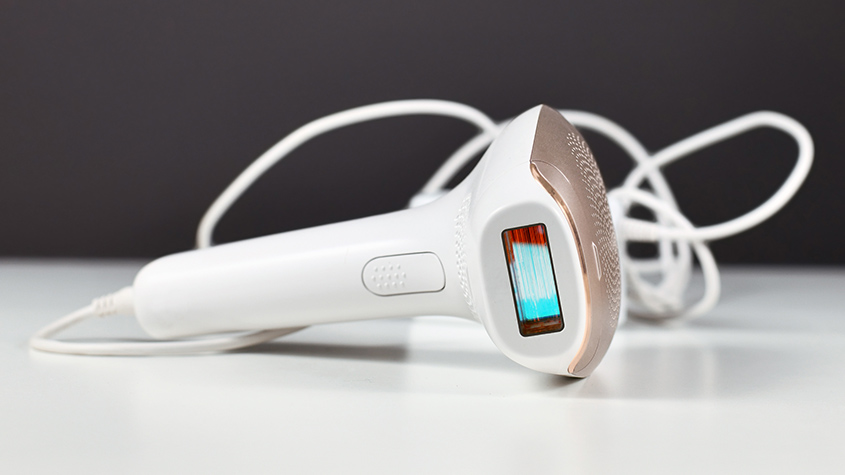
Intense pulsed light, or IPL, leverages gentle amounts of light-based heat. This treatment targets blood vessels under the skin and reduces inflammation.
Meanwhile, the warmth stimulates the meibomian glands to restore the balance to your tear film. IPL aims to simultaneously reduce inflammation and improve the function of your meibomian glands, helping you find relief from your dry eyes.
What Is LipiFlow?
LipiFlow uses a thermal pulsation system to treat dry eyes. The LipiFlow device uses a contact-lens-shaped device on the inner eyelid to gently apply heat while a second part gently massages them.
This helps unclog the meibomian glands, breaking up any oil blockages and promoting the healthy flow of oils to your tear film.
2. The Treatment Focus
Before treatment, your optometrist needs to examine your eyes to plan out the right approach. They’ll be looking to see whether your symptoms are caused by significant inflammation or by meibomian gland dysfunction.
How Does IPL Work?
IPL primarily aims to reduce ocular surface inflammation. This makes it particularly effective for patients whose dry eye symptoms stem from underlying inflammatory conditions. IPL targets the blood vessels around the eyes and glands to restore the natural function of the meibomian glands.
How Does LipiFlow Work?
Meanwhile, LipiFlow treatment specifically targets the meibomian glands. This treatment aims to remove oil blockages and buildup to promote healthier tears and restore a sense of balance to your tear film.
3. The Treatment Duration
When you begin treatment, it’s important to know what to expect. Fortunately, there’s good news—both IPL and LipiFlow are extremely quick treatments.
What to Expect From IPL
Usually, an IPL session takes between 15-30 minutes in total. However, you’ll typically need a series of treatments; it usually takes 3 or 4 sessions spaced a week apart before you notice lasting results. If you notice consistent discomfort, you can return for more sessions.
What to Expect From LipiFlow
LipiFlow treatments are also quick, taking about 10-15 minutes per eye. Most patients experience significant improvement after just one session, though it’s recommended to return to follow-up sessions every 6-12 months to maintain your results.
People may respond to treatments differently. Both IPL and LipiFlow treatments will require different maintenance for different people. Talk to your optometrist for an accurate treatment plan, tailored to you.

4. The Additional Benefits
Both IPL and LipiFlow offer significant benefits for dry eyes. However, IPL didn’t start as an optical treatment—it was originally designed as a dermatological approach to improve your skin’s aesthetic. Meanwhile, LipiFlow was designed to address meibomian gland dysfunction.
The Benefits of IPL
The pulses of light from IPL offer cosmetic benefits and can be applied to the surrounding area to reduce redness and uneven skin pigmentation. This means that IPL can be an effective treatment for both dry eyes and cosmetic concerns.
The Benefits of LipiFlow
LipiFlow’s focus on the meibomian glands makes it a highly targeted treatment for dry eyes. It can help restore your natural tear production but is solely designed for dry eyes. This offers long-term relief from dry eyes and reduces the need for eye drops and other treatments. With no downtime, LipiFlow is a popular choice for many people.
5. The Side Effects
There is even more good news—both of these treatments have little to no side effects. You may experience some mild discomfort during the treatment, but you shouldn’t experience anything severe.
Does IPL Have Side Effects?
In general, IPL is a comfortable and relaxing procedure with almost no downsides. You may experience:
- Some temporary redness
- Mild swelling
- Slight sensitivity to light
However, these symptoms should recede within a few hours. If your symptoms persist, contact your optometrist.
While IPL is effective, it is not recommended for people taking certain medications, have active acne, have certain skin conditions, have severe scarring, or have been sunburned recently. Consult your optometrist to see if IPL is right for you.
Does LipiFlow Have Side Effects?
LipiFlow is also associated with minimal side effects. During the procedure, you might experience some mild pressure or discomfort; afterward, you may notice:
- Occasional slight swelling
- Sensitivity in the treated area
- Symptoms typically resolve quickly
- Some slight sensitivity to light
Most patients experience no side effects after the session, and you can return to your regular activities immediately after. If you notice any ongoing symptoms, contact your optometrist.
Which Dry Eye Treatment Is Right for You?
Choosing between IPL and LipiFlow for dry eye treatment depends on your specific situation, but our team at Pro-Optix Eye Care can help you make an informed decision so you can find relief from your dry eyes. If you’re dealing with burning, stinging sensations, visit our team today. Book your appointment with us—your journey to clear, comfortable vision starts here.


Operating Hours
- Monday 10:00 AM – 6:00 PM
- Tuesday 10:00 AM – 6:00 PM
- Wednesday 10:00 AM – 6:00 PM
- Thursday 10:00 AM – 6:00 PM
- Friday 10:00 AM – 5:00 PM
- Saturday 9:00 AM – 3:00 PM
- Sunday Closed
Contact Us
© 2026 Pro-Optix Optometry & Dry Eye Center. All rights Reserved. Accessibility Statement - Privacy Policy - Sitemap
Powered by:
