

How to Improve Myopia

Myopia, or nearsightedness, is a common refractive error that can affect people of all ages. It makes distant objects look blurry while close-up tasks like reading or texting remain clear.
While myopia isn’t reversible, there are ways to slow its progression and correct vision. Managing myopia involves correcting blurry distance vision and slowing its progression in children with personalized care, treatment, and healthy daily habits.
Myopia management options include orthokeratology (ortho-k) lenses, multifocal contact lenses, MiSight lenses, eyeglasses, or atropine drops.
Understanding how lifestyle, environment, and medical options work together can make a big difference in how well you see over time.
What Is Myopia?
Myopia occurs when the eye is too long or the cornea is too curved. This causes light to focus in front of the retina (the tissue at the back of your eye), rather than directly on it, resulting in blurry distance vision. Myopia often begins in childhood and may worsen through the teen years or early adulthood.
Some of the most common signs of myopia include:
- Blurred distance vision
- Squinting to see faraway objects
- Headaches or eye strain after screen use
- Difficulty seeing road signs or whiteboards
If any of these symptoms sound familiar, a comprehensive eye exam can help determine whether you or your child is dealing with myopia and what can be done about it.
What Causes Myopia?
Myopia tends to run in families, but lifestyle choices also play a major role in how it develops and progresses.
Contributing factors may include:
- A family history of nearsightedness
- Excessive screen time or near work (like reading or writing)
- Lack of outdoor activity and natural light exposure
- Poor visual habits, like holding screens too close to the eyes
These factors are especially important during childhood, when the eyes are still growing and changing. That’s why early intervention is so valuable.
Everyday Habits That May Help
You can’t change genetics, but there are habits that can support better visual health and help slow myopia progression, especially for children and teens.
Helpful daily habits include:
- Spending more time outdoors, ideally 1–2 hours per day
- Following the 20-20-20 rule to reduce digital eye strain
- Keeping screens and books at a healthy viewing distance
- Using good lighting during reading or homework
- Limiting screen time before bed
Small adjustments in routine can make a big impact over time, especially when paired with consistent eye care.
Treatment Options for Myopia
There are a variety of tools available to help correct myopic vision and slow the progression of the condition. The best approach depends on your age, prescription, lifestyle, and how quickly your myopia is changing.
Glasses & Contact Lenses
The most common and immediate way to improve myopia is by correcting vision with prescription glasses or contact lenses. These devices correct distance vision by refocusing light on the retina.
- Glasses are often the first line of correction for children and adults.
- Contact lenses may be a better choice for active people or older teens and adults who prefer not to wear glasses.
Myopia Control Lenses
Myopia control focuses on slowing the progression of nearsightedness in children. Since myopia often begins in childhood and can worsen as the eyes grow, early treatment can help reduce the risk of higher prescriptions and associated eye health complications later in life. Myopia control doesn’t cure nearsightedness but can help manage its development with the right tools and consistent care.
Some contact lenses go beyond simple correction by also addressing how myopia progresses over time.
- Orthokeratology (Ortho-K): specially designed, rigid gas-permeable contact lenses worn overnight to gently reshape the cornea. In the morning, the lenses are removed, and the wearer can see clearly without needing glasses or daytime contacts.
- Multifocal Contact Lenses: Worn during the day, these lenses have multiple focusing zones that may slow myopia progression by altering how light is focused on the retina.
- MiSight® Lenses: are daily disposable soft contact lenses specifically designed for children with myopia. Worn during the day, MiSight® lenses can fit seamlessly into a child’s routine while providing both visual clarity and long-term management.
These options are commonly used in children and teens, but some adults may also benefit from them based on their specific needs.
Atropine Eye Drops
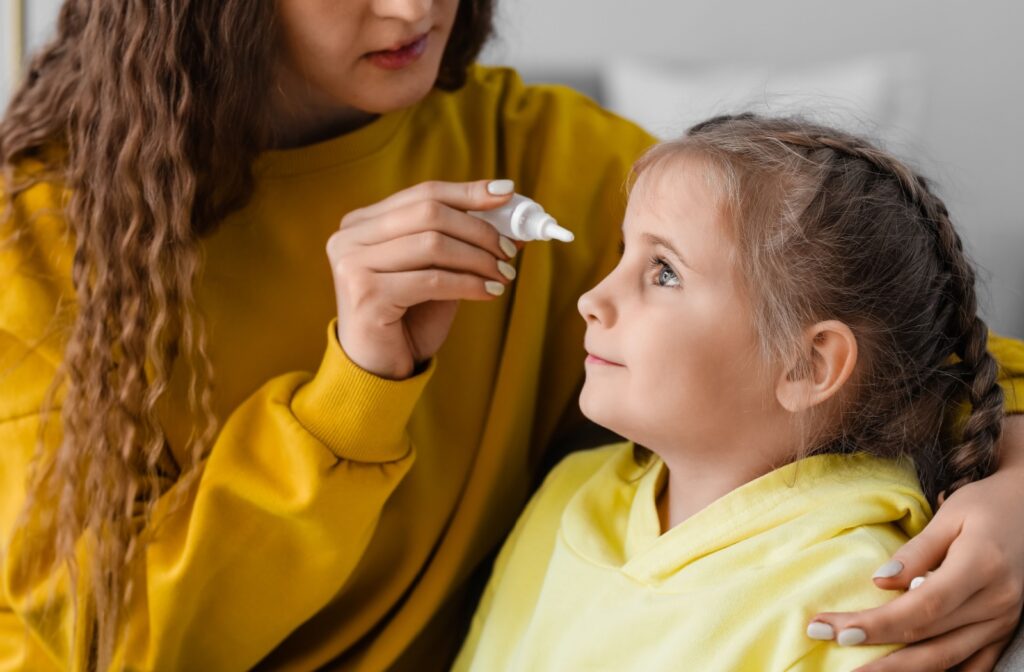
Low-dose atropine drops are sometimes prescribed for children to help slow the progression of myopia. These drops are:
- Usually applied before bedtime
- Often used alongside other treatment methods, like glasses or Ortho-K
- Require regular follow-up to monitor effectiveness and comfort
Monitoring Myopia Over Time
Since myopia can change as the eyes grow, it’s important to stay on top of your eye health with regular exams. This is especially true for children, who may not always notice or communicate changes in their vision.
Without routine care, myopia can progress quickly in children, increasing their risk of developing eye health issues later in life. By tracking changes early, we can help you protect your child’s future vision.
Your Next Steps Toward Better Vision
While myopia can’t be reversed, it can be managed with corrective lenses, lifestyle changes, and proactive care. The key is to act early and stay consistent with treatment and monitoring. Whether you’re helping a child stay on top of schoolwork or managing your own vision for work and driving, the right support makes a difference. At ProOptix Eye Care, our team is here to help you navigate your options with kindness, professionalism, and expert care. From custom contact lens fittings to myopia control plans, we offer solutions that fit your life and your family. Book an appointment today and take the next step toward clearer vision and long-term eye health.



Operating Hours
- Monday 10:00 AM – 6:00 PM
- Tuesday 10:00 AM – 6:00 PM
- Wednesday 10:00 AM – 6:00 PM
- Thursday 10:00 AM – 6:00 PM
- Friday 10:00 AM – 5:00 PM
- Saturday 9:00 AM – 3:00 PM
- Sunday Closed
Contact Us
© 2026 Pro-Optix Optometry & Dry Eye Center. All rights Reserved. Accessibility Statement - Privacy Policy - Sitemap
Powered by:
