

Can You Wear Eye Makeup with Punctal Plugs?
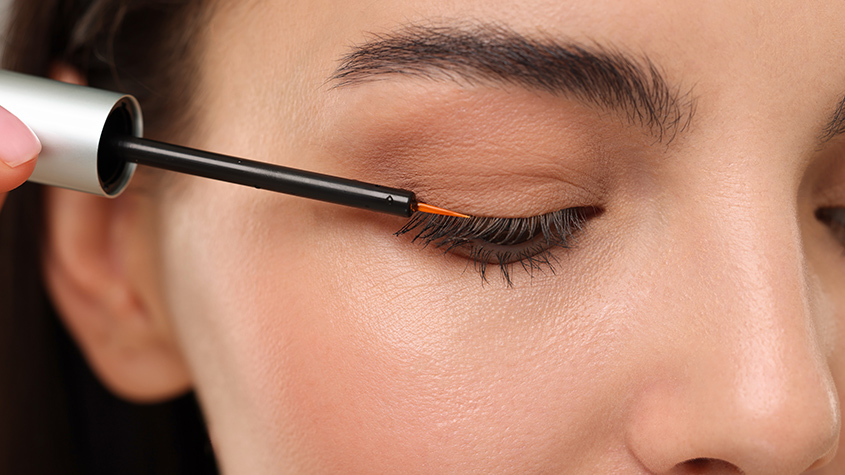
Beyond allowing us to visualize and interact with our surroundings, our eyes are a canvas for self-expression using makeup. Many people consider makeup an essential step in their daily routine.
But when vision care enters the equation, it’s only natural to wonder how to balance beauty and eye health. Fortunately, you don’t have to compromise one for the other, even when undergoing certain advanced dry eye therapies like punctal plugs.
We recommend not wearing eye makeup to your insertion appointment and for at least 24 hours afterward. Once this initial phase has passed, and after your optometrist has given you the green light, people who wear eye makeup are free to continue their routine.
Punctal plugs are a great therapy option for people with mild to severe dry eye. A consultation with your optometrist will help determine whether this treatment is right for you.
Key Takeaways
- Balance beauty and eye health. With proper habits and guidance from your optometrist, you can safely wear eye makeup—even with dry eyes or punctal plugs.
- Avoid makeup around procedures. Skip eye makeup at your punctal plug appointment and for at least 24 hours afterward.
- Punctal plugs relieve dry eye. These small devices slow tear drainage, helping your eyes stay moist and comfortable.
- Practice eye-friendly makeup habits. Use hypoallergenic products, clean brushes weekly, replace old mascara/eyeliner, avoid tightlining, and gently remove makeup before bed.
- Pay attention to irritation. Redness, itching, or discomfort may indicate sensitivity or an underlying issue—stop use and consult your eye doctor.
- Consult your optometrist. A dry eye evaluation ensures punctal plugs and makeup routines are tailored to your needs.
Beauty vs Health: The Eye Makeup Dilemma
Lining your lids and sweeping on mascara can enhance your natural beauty, however, without the right technique, it can also affect your eye health.
Dry eye symptoms can worsen because of poor makeup hygiene or certain cosmetic formulas. Products like mascara, eyeliner (especially tightlining), and shimmer-based eyeshadow particles can easily migrate into your tear film, the layer that protects and moisturizes your eyes.
A disturbance in the tear film can lead to further dryness, inflammation, or irritation, negatively affecting visual clarity, comfort, and overall quality of life. Not to mention, watery eyes (a hallmark dry eye symptom) can ruin your eye makeup!
However, the quality of your makeup isn’t the only concern. Certain makeup removers or products contain harsh chemicals, fragrances, or preservatives, which can also aggravate dry eye symptoms.
Above all, dry eye is annoying. Unfortunately, while over-the-counter solutions and at-home remedies can help manage moderate symptoms, they don’t target the underlying cause.
Thankfully, targeted therapies like punctal plugs address this concern, making them a good option for people with mild to severe dry eyes.
All About Punctal Plugs
Punctal plugs are small biocompatible devices that manage dry eye symptoms. Your optometrist inserts these plugs into the tear ducts (or the puncta). The plugs then prevent your tears from draining too quickly.
These plugs come in different materials, such as silicone or collagen, and are available in temporary (they dissolve over time) and permanent options. Since every person and their case is unique, a dry eye consultation with your optometrist helps us tailor the design of your punctal plugs to support your situation.

Is Eye Makeup Compatible with Punctal Plugs?
Inserting punctual plugs is relatively quick and non-invasive. After applying numbing drops for comfort, we’ll place the plugs into your tear ducts.
Try to arrive at your appointment make-up-free, as we don’t want unnecessary particles or debris to irritate your eyes during the procedures. If that’s not possible, no worries! We’re happy to supply gentle, fragrance-free makeup remover for those who need it.
After the procedure, your eyes may feel slightly sensitive. Wait at least 24 hours before applying makeup near your eyes, letting the plugs settle comfortably. Applying makeup right after insertion may increase the risk of makeup particles migrating into the punctal area or causing irritation.
Once you’re in the clear from your eye doctor, focus on wearing gentle makeup products and follow proper hygiene practices to keep your eyes—and the plugs—safe.
Eye-friendly Makeup Habits
Thankfully, with or without punctal plugs, there’s no harm in wearing eye makeup.
Although makeup debris can aggravate certain concerns, practicing makeup hygiene and implementing healthy eye habits can help mitigate them:
- Choose hypoallergenic products: Opt for makeup labeled as hypoallergenic. These products are gentle, can minimize irritation, and are less likely to disrupt your tear film.
- Clean your tools: Dirty brushes or makeup sponges are a breeding ground for bacteria and other pathogens. Make it a habit to clean your makeup tools weekly with a gentle cleanser to reduce the risk and spread of infections like bacterial conjunctivitis.
- Avoid tightlining: Applying eyeliner on the inner rim of your upper or lower eyelid (tightlining) can disrupt your meibomian glands, If debris clogs these glands, this can destabilize the tear film, causing tears to evaporate more quickly from the eye’s surface.
- Toss old makeup: Mascara and eyeliner have a short shelf life, around 3-6 months. Using expired products can introduce harmful bacteria to your eyes, increasing the risk of irritation or infection.
- Always remove your makeup: Avoid harsh scrubbing and rubbing, and gently remove your eye makeup before bed. This prevents buildup around your lash line, reducing the risk of developing eye infections.
- Pay attention to irritation: if your eyes feel itchy or red after applying makeup, stop using that product and visit your eye doctor. Makeup debris can irritate your eyes, but these symptoms might also indicate an underlying condition.
Keeping Your Eyes Beautiful & Healthy
Enhancing your natural features with makeup doesn’t have to come at the expense of your visual clarity and comfort.
Small but mighty, punctal plugs are an effective advanced dry eye treatment. Try to avoid wearing eye makeup for your insertion appointment, but after 24 hours and the green light from your optometrist, you’re free to highlight your eyes with eye makeup! Connect with our ProOptix Eye Care team to schedule your dry eye consultation to learn whether punctal plugs are right for you.

All Eye
Care Services

Keep
In Touch

Operating Hours
- Monday 10:00 AM – 6:00 PM
- Tuesday 10:00 AM – 6:00 PM
- Wednesday 10:00 AM – 6:00 PM
- Thursday 10:00 AM – 6:00 PM
- Friday 10:00 AM – 5:00 PM
- Saturday 9:00 AM – 3:00 PM
- Sunday Closed
Contact Us
© 2026 Pro-Optix Optometry & Dry Eye Center. All rights Reserved. Accessibility Statement - Privacy Policy - Sitemap
Powered by:
