

Can Myopia Lead to Blindness?
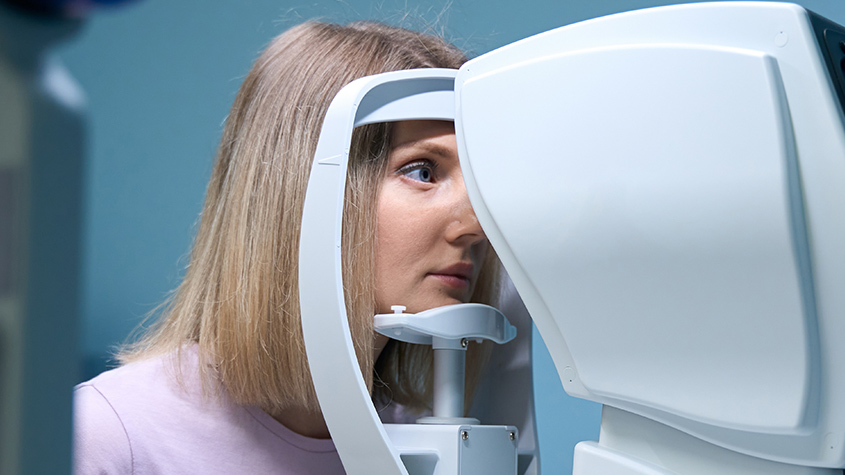
Myopia is a condition in which close objects appear clear, but distant ones are blurry. While myopia doesn’t directly lead to blindness, if left untreated, this refractive error may lead to severe complications that can result in vision loss or blindness.
Myopia affects millions worldwide, making it one of the most prevalent eye conditions. Fortunately, it can be detected early in children through comprehensive eye examinations, and several myopia control methods are available to help slow or stop its progression.
Understanding Myopia
Myopia is a refractive error of the eye, where light entering the eye focuses in front of the retina instead of directly on it. This occurs when the eyeball is too long, or when the cornea has too much curvature. People with myopia can see close objects clearly, but they struggle to see distant objects, which appear blurry.
Causes of Myopia
Several factors, including genetics, environmental influences, and lifestyle choices can contribute to the development of myopia. Understanding these factors can help you take preventive measures to protect your vision.
If one or both of their parents are nearsighted, children are more likely to develop myopia. Additionally, spending extended periods focusing on close-up tasks, such as reading or using digital devices, can strain the eyes and increase the risk of myopia.
Symptoms & Risk Factors
The most common symptom of myopia is difficulty seeing distant objects clearly. Other symptoms may include:
- Headaches
- Eye strain
- Squinting
- Eye fatigue when performing tasks requiring distant focus
- Poor school performance
- Short attention span in children
- Holding things close to face
Risks of High Myopia
High myopia is defined as a refractive error of -5.00 diopters or more. It increases the likelihood that a person will experience certain severe vision complications.
Possible Complications
High myopia can lead to several serious eye conditions, including:
- Retinal detachment: Occurs when the retina tears away from the back of the eye, which can result in permanent vision loss if not treated promptly.
- Glaucoma: Increased pressure within the eye can damage the optic nerve and lead to blindness.
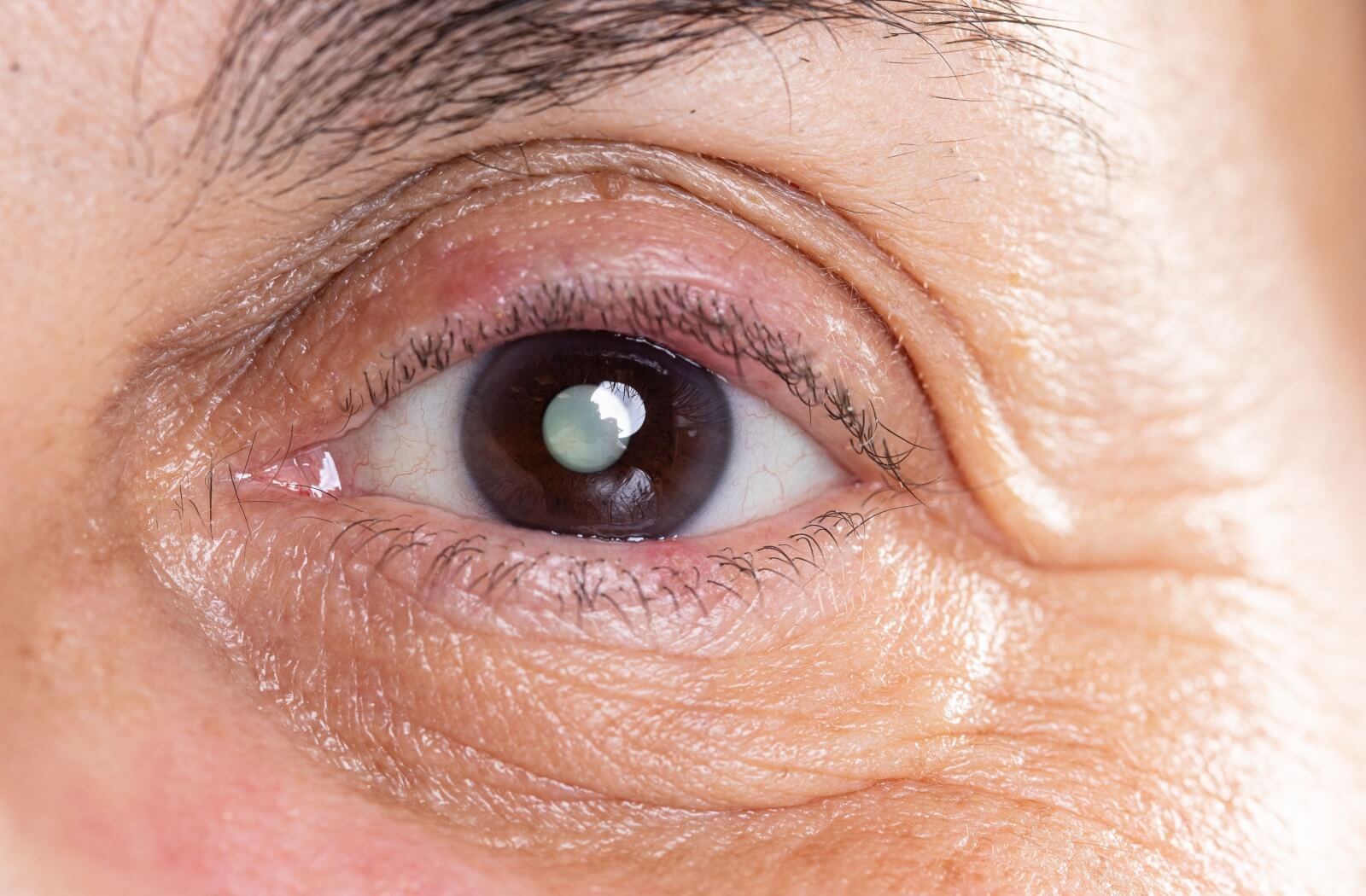
- Cataracts: The lens of the eye becomes cloudy, leading to blurry vision and eventual blindness without treatment.
Early Detection & Management
Early detection of myopia can significantly reduce the risk of severe vision problems. Regular comprehensive eye exams are crucial for monitoring eye health and catching potential issues early.
Myopia Management Options
Several treatments and forms of vision correction can slow myopia progression.
Eyeglasses & Contact Lenses
The most common and straightforward way to manage myopia in children is through corrective lenses specifically designed to slow myopia progression. These lenses help refocus light onto the retina, providing clear distance vision. Eyeglasses are easy to use and come in various styles, while contact lenses offer a more aesthetic option for those who prefer not to wear glasses.
Orthokeratology
Orthokeratology, or ortho-k, involves wearing specially designed contact lenses overnight to temporarily reshape the cornea. This method can provide clear vision during the day without the need for glasses or daytime contact lenses. Ortho-k is particularly effective for children with myopia.
Atropine Eye Drops
Atropine eye drops are an effective tool for controlling myopia progression in children. By slowing down elongation of the eyeball, these drops target the root cause of nearsightedness. Low-dose atropine drops between 0.01% and 0.05% minimize potential side effects like light sensitivity and near vision difficulties.
Lifestyle Changes
Incorporating lifestyle changes can also help manage myopia in children. Reducing screen time, taking regular breaks during near work, and increasing outdoor activities can alleviate eye strain and potentially slow the progression of myopia. Creating a balanced routine that includes sufficient rest and eye care is crucial for maintaining good vision.
Tips for Preventing Myopia
Myopia isn’t always preventable because risk factors like genetics can’t be changed. But there are a few things that you can help your child incorporate into their lives to minimize the risk of developing myopia.
Encourage Outdoor Activities
Spending time outdoors has been shown to reduce a child’s risk of developing myopia. Encourage outdoor play and activities that allow children to focus on distant objects. Limiting screen time and promoting outdoor exploration can also benefit children’s eye health.
Limit Screen Time
Excessive screen time can strain the eyes and increase the risk of myopia. Encourage regular breaks from screens, practice the 20-20-20 rule (every 20 minutes, look at something 20 feet away for 20 seconds), and create a balanced routine that includes other activities.
Create a Healthy Environment
Creating a healthy environment for your child’s eyes involves proper lighting, ergonomic workspaces, and regular eye exercises. Ensure that workspaces are well-lit, and encourage children to read and study in well-lit areas. Practicing good eye hygiene and taking breaks during prolonged near work can help reduce eye strain and prevent myopia.
Discuss Your Child’s Symptoms with Their Eye Doctor
Myopia is a common eye condition that can lead to severe complications if not managed properly. Understanding the risks associated with high myopia and taking steps to prevent its progression is crucial for maintaining good eye health.
Lifestyle adjustments play a vital role in managing myopia and reducing the risk of complications. But nothing replaces regular visits to the eye doctor for your child. Call our team at ProOptix Optometry & Dry Eye Center if your child is experiencing any symptoms of myopia or if it’s time for their next exam. One of our experienced optometrists can examine your child’s eyes and offer tailored treatment and advice.



Operating Hours
- Monday 10:00 AM – 6:00 PM
- Tuesday 10:00 AM – 6:00 PM
- Wednesday 10:00 AM – 6:00 PM
- Thursday 10:00 AM – 6:00 PM
- Friday 10:00 AM – 5:00 PM
- Saturday 9:00 AM – 3:00 PM
- Sunday Closed
Contact Us
© 2026 Pro-Optix Optometry & Dry Eye Center. All rights Reserved. Accessibility Statement - Privacy Policy - Sitemap
Powered by:
