

Can Dry Eyes Cause Styes?
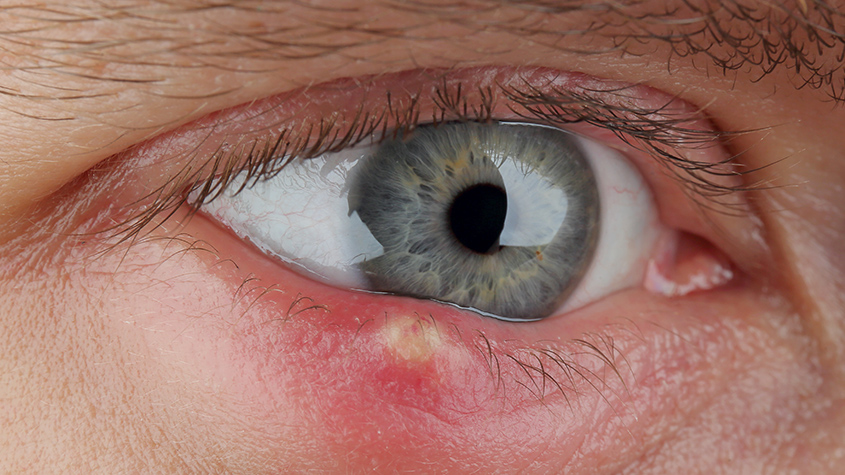
Dry eyes and styes may seem unrelated, but they can often go hand-in-hand due to symptoms and risk factors that overlap, such as meibomian gland dysfunction or watery eyes. And while having dry eyes won’t directly cause styes, they can increase your risk of developing styes.
Whether you’re dealing with dry eyes or uncomfortable styes, treatment is often as simple as over-the-counter treatments like eye drops or increased hygiene. But there can be circumstances leading to chronic symptoms or potential complications. So, if you’re experiencing persistent symptoms, it’s essential to see your eye doctor.
Your optometrist can examine your eyes, review the symptoms you’re experiencing, and offer tailored and expert advice on treatments—in-office or at home.
How Dry Eyes Can Lead to Styes
The connection between dry eyes and styes stems from how the tear film protects and maintains the surface of your eyes. Your tear film consists of 3 layers—oil, water, and mucus—that work together to keep your eyes moist, provide nutrients, and wash away dust or bacteria.
When the tear film breaks down due to inadequate or poor-quality tears, it can lead to dry eyes. Insufficient moisture on the surface of the eyes often causes irritation and fosters an environment where bacteria can thrive. This is where the risk of styes comes in.
Styes form when the oil glands along the eyelid become blocked and infected. The added irritation from dry eyes often exacerbates this process, allowing bacteria to accumulate and cause inflammation.
Simply put, dry eyes can create the perfect storm for developing styes by weakening your eye’s natural defenses and promoting oil gland dysfunction.
Symptoms & Signs of Dry Eyes & Styes
Understanding the symptoms of dry eyes and styes can help you address these conditions early.
Dry Eye Symptoms
Some common symptoms of dry eye syndrome include:
- A sandy or gritty sensation in the eyes
- Redness, irritation, or itchiness
- Feeling like a foreign object is in your eye
- Sensitivity to light (photophobia)
- Blurred vision, often worsening throughout the day
- Eye fatigue, especially after reading, using digital devices, or driving
Stye Symptoms
A few common symptoms of styes are:
- A painful, red bump on or near the edge of the eyelid
- Swelling of the eyelid
- Tenderness or discomfort when blinking
- Crusty discharge from the affected eyelid
- Watery eyes from irritation
- Localized heat or redness around the stye
- Feeling like something is in your eye

Risk Factors for Developing Dry Eyes & Styes
We’ve broken the risk factors into separate categories between dry eyes and styes. But it’s important to note that there is often overlap, leading a person to think one may lead to the other. For example, chronic blepharitis is a common risk factor for developing styes, but blepharitis also causes common dry eye symptoms.
So, monitoring these risk factors can help you take proactive steps to prevent either condition from affecting your daily life.
Risk Factors for Dry Eyes
Dry eye risk factors include:
- Age: Tear production tends to decrease with age, making dry eyes more common in older adults
- Digital eye strain: Prolonged screen time reduces natural blinking, leading to dryness
- Environmental factors: Dry or windy climates, air conditioning, and smoke can irritate the eyes
- Medications: Certain medications like antihistamines, antidepressants, and diuretics may cause dry eyes as a side effect
- Health conditions: Autoimmune diseases, like Sjögren’s syndrome or rheumatoid arthritis, can lead to dry eye issues
Risk Factors for Styes
Stye risk factors include:
- Poor eyelid hygiene: Not cleaning off makeup or touching your eyes with dirty hands increases bacterial exposure
- Chronic blepharitis: This condition is characterized by inflamed eyelids and can raise the risk of stye formation
- Contact lens wear: Improper lens hygiene can introduce bacteria that can cause styes
- Stress or hormonal changes: These factors can disrupt the oil glands in the eyelids, making infections more likely
Preventing Dry Eyes & Styes
Fortunately, there are many steps you can take to reduce the risk of both conditions. Incorporating these preventive measures into your daily routine can make a huge difference. Tips for preventing dry eyes include:
- Take breaks from screens: Follow the 20-20-20 rule—every 20 minutes, look at something 20 feet away for at least 20 seconds
- Use a humidifier: Add moisture to your home or office air to prevent excessive dryness
- Lubricate your eyes: Use preservative-free artificial tears to keep your eyes moist
- Protect your eyes: Wear sunglasses when outdoors to shield your eyes from wind and UV exposure
- Stay hydrated: Drink plenty of water to support tear production
A few stye prevention tips include:
- Practice good hygiene: Cleanse your eyelids daily with a gentle lid scrub or baby shampoo
- Clean your hands: Avoid touching your eyes without washing your hands
- Monitor makeup use: Remove all eye makeup before bed and replace cosmetics regularly to reduce bacteria buildup
- Care for contact lenses: Follow proper cleaning procedures and avoid wearing lenses longer than recommended
- Manage stress: Incorporate stress-reducing activities, like yoga or meditation, to keep your body in balance
When to See a Doctor
While mild cases of dry eyes and styes often resolve with home care, it’s important to recognize when to seek medical help. Persistent symptoms or complications may require professional attention. Some signs to consider are:
- Severe or chronic dry eye symptoms that don’t improve with over-the-counter treatments
- A stye that doesn’t resolve within a week or worsens over time
- Recurring styes or dry eye episodes
- Discomfort impacting your daily activities
Call our team at ProOptix Eye Care today if you’re experiencing any of the above persistent and uncomfortable symptoms. One of our experienced eye doctors can examine your eyes and determine whether there are any underlying conditions contributing to your ongoing symptoms. Then, they can offer you tailored, expert advice.



Operating Hours
- Monday 10:00 AM – 6:00 PM
- Tuesday 10:00 AM – 6:00 PM
- Wednesday 10:00 AM – 6:00 PM
- Thursday 10:00 AM – 6:00 PM
- Friday 10:00 AM – 5:00 PM
- Saturday 9:00 AM – 3:00 PM
- Sunday Closed
Contact Us
© 2026 Pro-Optix Optometry & Dry Eye Center. All rights Reserved. Accessibility Statement - Privacy Policy - Sitemap
Powered by:
