

Beyond Eye Drops: How IPL Therapy Helps Treat Dry Eye at the Source
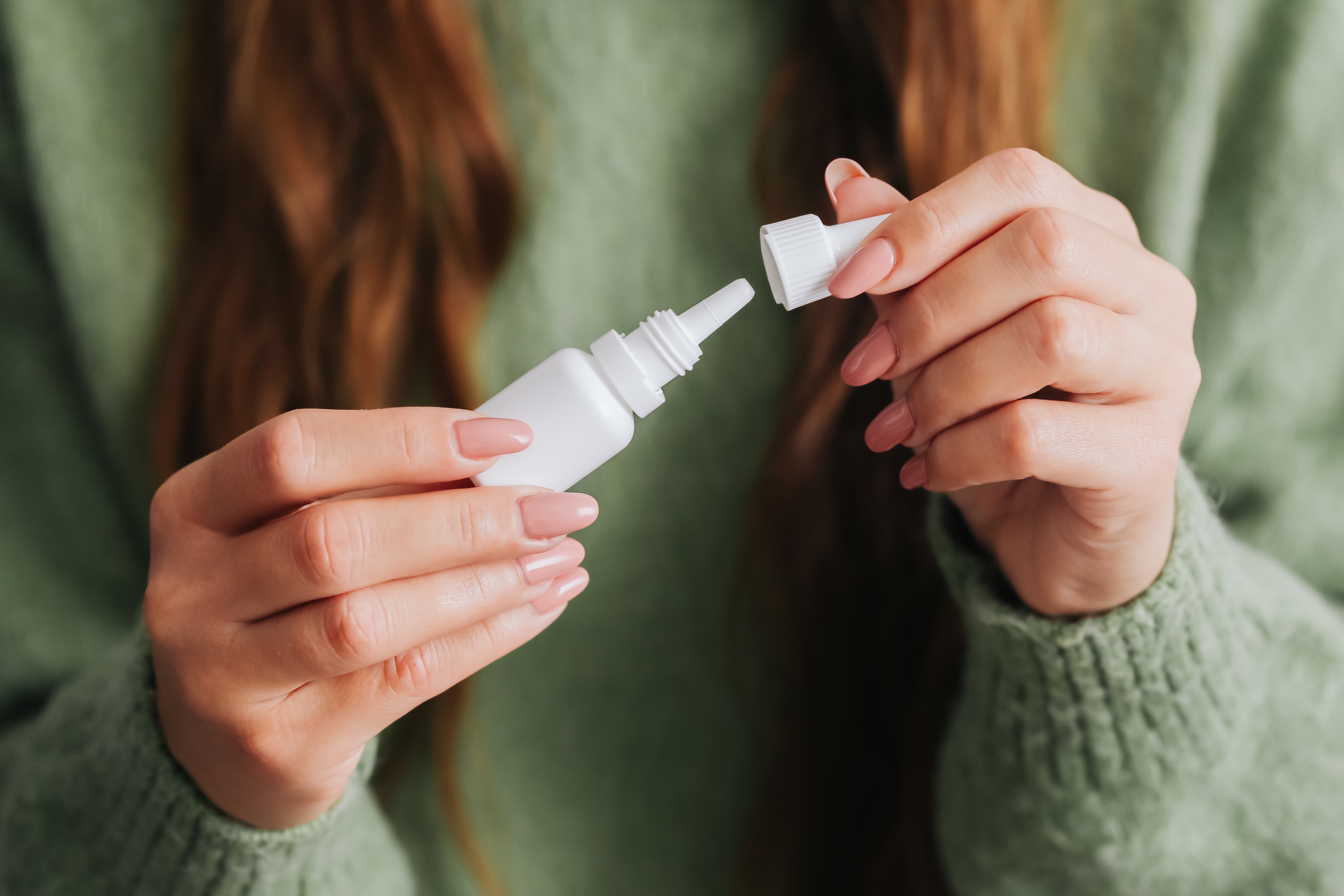
Eye drops can provide temporary relief from burning, grittiness, and irritation, but they do not always address why dry eye keeps returning. For many patients, the problem begins with meibomian gland dysfunction, or MGD. These small glands along the eyelids produce oils that slow tear evaporation and help keep the eye’s surface comfortable.
At Pro-Optix Optometry & Dry Eye Center, our Houston eye doctors evaluate the underlying cause of dry eye before recommending treatment. When inflammation and blocked meibomian glands contribute to symptoms, OptiLight intense pulsed light therapy may be included in a personalized care plan.
Why Eye Drops Are Not Always Enough
Artificial tears add moisture to the eye’s surface, which can be helpful for short-term comfort. However, when the oil-producing glands are blocked or inflamed, tears may evaporate too quickly. This can lead patients to use drops repeatedly without achieving consistent relief.
Common signs of evaporative dry eye include:
• Burning, stinging, or gritty sensations
• Red or watery eyes
• Fluctuating or blurry vision
• Sensitivity to light
• Contact lens discomfort
• Eye fatigue after screen use
Because several conditions can cause similar symptoms, a comprehensive dry eye evaluation is important before beginning advanced treatment.
How IPL Therapy Supports Healthier Tears
OptiLight IPL therapy uses controlled pulses of light on the skin below the eyes. The treatment is designed to reduce inflammation associated with MGD and improve the function of the meibomian glands. Gentle heat can also help soften thickened oils so they flow more easily into the tear film.
A healthier oil layer helps tears spread evenly and remain on the eye longer. Rather than simply adding moisture, IPL therapy targets factors that contribute to excessive tear evaporation and recurring irritation.
What to Expect During OptiLight Treatment
IPL therapy is performed in the office and usually takes about 10 to 15 minutes. Protective eye shields are used, and a gel is applied to the treatment area. Our eye doctor then delivers a series of carefully controlled light pulses below the lower eyelids.
Many patients require a series of sessions rather than a single treatment. The number and timing of visits depend on the severity of MGD, the condition of the eyelid glands, and how the eyes respond. Maintenance care may also be recommended to support continued improvement.
Who May Benefit From IPL Dry Eye Treatment?
IPL therapy may be appropriate for Houston patients with evaporative dry eye related to MGD, eyelid inflammation, or ocular rosacea. It is not the right treatment for every type of dry eye, which is why an accurate diagnosis matters.
At Pro-Optix Optometry & Dry Eye Center, we assess the tear film, eyelids, and meibomian glands to determine whether IPL should be used alone or combined with other dry eye therapies. A personalized approach helps address the specific factors affecting each patient’s comfort and vision.
Schedule a dry eye evaluation with Pro-Optix Optometry & Dry Eye Center to learn more about IPL therapy. Contact our office in Houston, TX, by calling (713) 360-7095 to book an appointment today.


Operating Hours
- Monday 10:00 AM – 6:00 PM
- Tuesday 10:00 AM – 6:00 PM
- Wednesday 10:00 AM – 6:00 PM
- Thursday 10:00 AM – 6:00 PM
- Friday 10:00 AM – 5:00 PM
- Saturday 9:00 AM – 3:00 PM
- Sunday Closed
Contact Us
© 2026 Pro-Optix Optometry & Dry Eye Center. All rights Reserved. Accessibility Statement - Privacy Policy - Sitemap
Powered by:
