

Blog list
Pro-Optix Optometry & Dry Eye Center Blog
Learn more about optometrist care in our blog!
Eyesight is one of many things that changes as we age. Age is the biggest risk factor for many chronic or sight-threatening eye conditions, which is why it’s so important to be informed and able to recognize the signs of age-related vision loss. It’s also important to know what we can do to k...
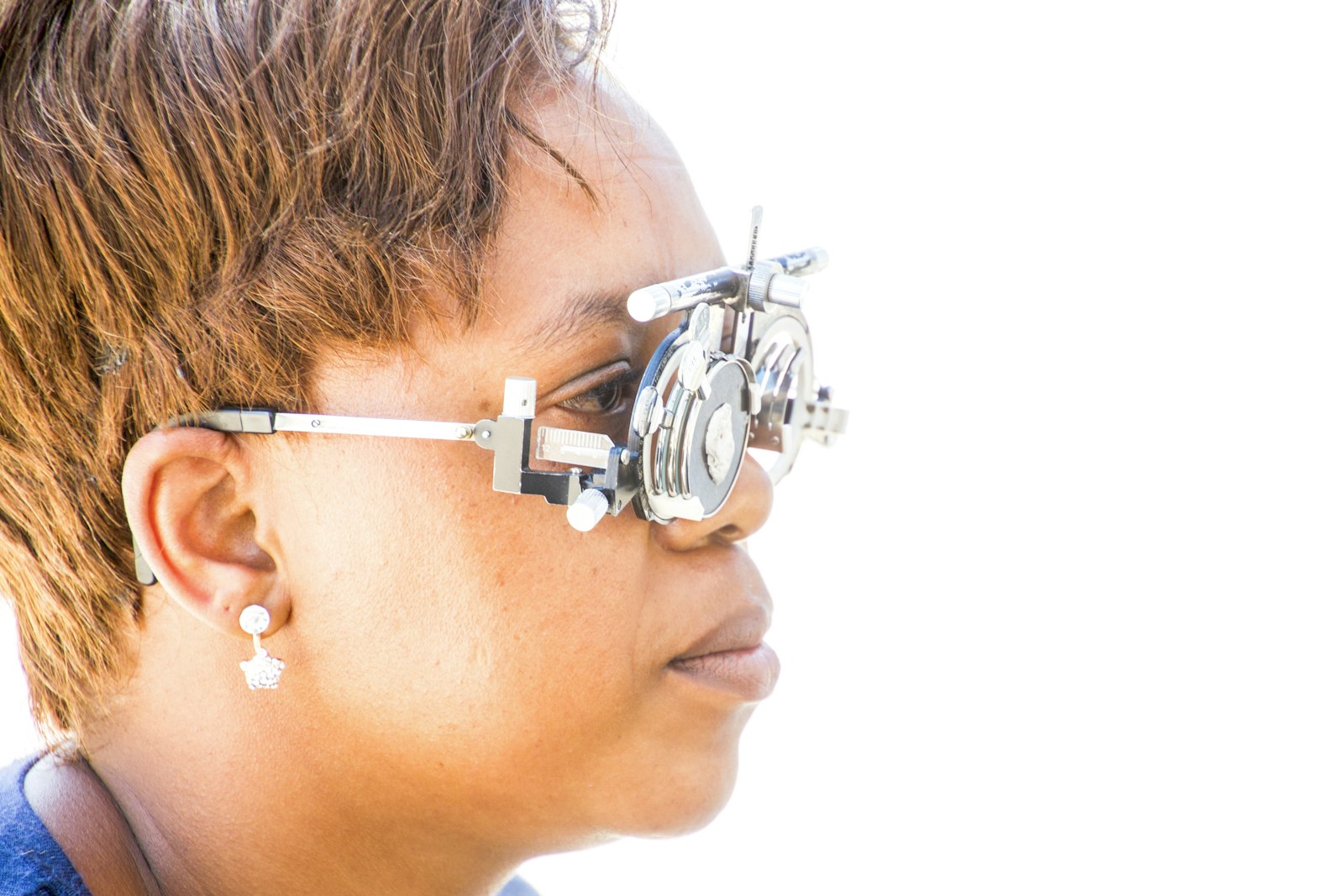
Name five things you would expect to find in every school nurse’s office. Was the big E eye chart on your list? That’s the Snellen chart, named after Herman Snellen, a 19th-century Dutch eye doctor who developed it, and it’s a great diagnostic tool for catching nearsightedness. Unfortunatel...

You’ve probably read that headline at least twice, haven’t you? At first glance, it makes absolutely no sense at all. How in the world can your nose help you fight your battle against dry eye disease
Have you ever had pink eye? Conjunctivitis or pink eye is a very common disease characterized by redness in the whites of the eyes, itchiness, and either watery or thick discharge. Conjunctivitis is the inflammation of the conjunctiva, the outer layer of tissue covering the surface of the eyes an...

In the classic movie, A Christmas Story, all little Ralphie Parker wanted was a BB gun for Christmas. “You’ll shoot your eye out, kid,” was the oft-repeated response by adults throughout the film. And for good reason!

With traditional prescription lenses such as progressives, bifocals and multifocals, different areas in the lenses offer correction for different types of vision: distance, mid-range and near.

Eating carrots is supposed to improve our eyesight, right? That’s actually a leftover idea from a British propaganda campaign during World War II. The British wanted to keep their newly developed radar technology a secret from the Germans, so they claimed as far and wide as possible that their ...

20/20 vision is often thought of as perfect eyesight, but it’s really just one part of it. All it means when someone has 20/20 vision is that they are able to see something clearly from 20 feet away without glasses. They could still be dealing with any number of a wide range of vision problems ...

Does it seem that, no matter how hard they try, your child is constantly below grade level in reading? Do they constantly complain about headaches and tired or sore eyes after spending time doing close-up activities such as writing or working on a comput
Starting to wear glasses can be a big change for kids. They may often be tempted to leave their glasses at home instead of wearing them to school, even if that comes at the expense of hours of squinting and fuzzy scenery. We’re here to help parents appreciate the advantages that come with weari...
Operating Hours
- Monday 10:00 AM – 6:00 PM
- Tuesday 10:00 AM – 6:00 PM
- Wednesday 10:00 AM – 6:00 PM
- Thursday 10:00 AM – 6:00 PM
- Friday 10:00 AM – 5:00 PM
- Saturday 9:00 AM – 3:00 PM
- Sunday Closed
Contact Us
© 2026 Pro-Optix Optometry & Dry Eye Center. All rights Reserved. Accessibility Statement - Privacy Policy - Sitemap
Powered by:
